


Barcelona: Art, Food, and Inspiration
The most striking impression from my trip to Barcelona has been the remarkable fusion of extraordinary food, friendly locals, and the breathtaking artistic heritage that permeates the city.
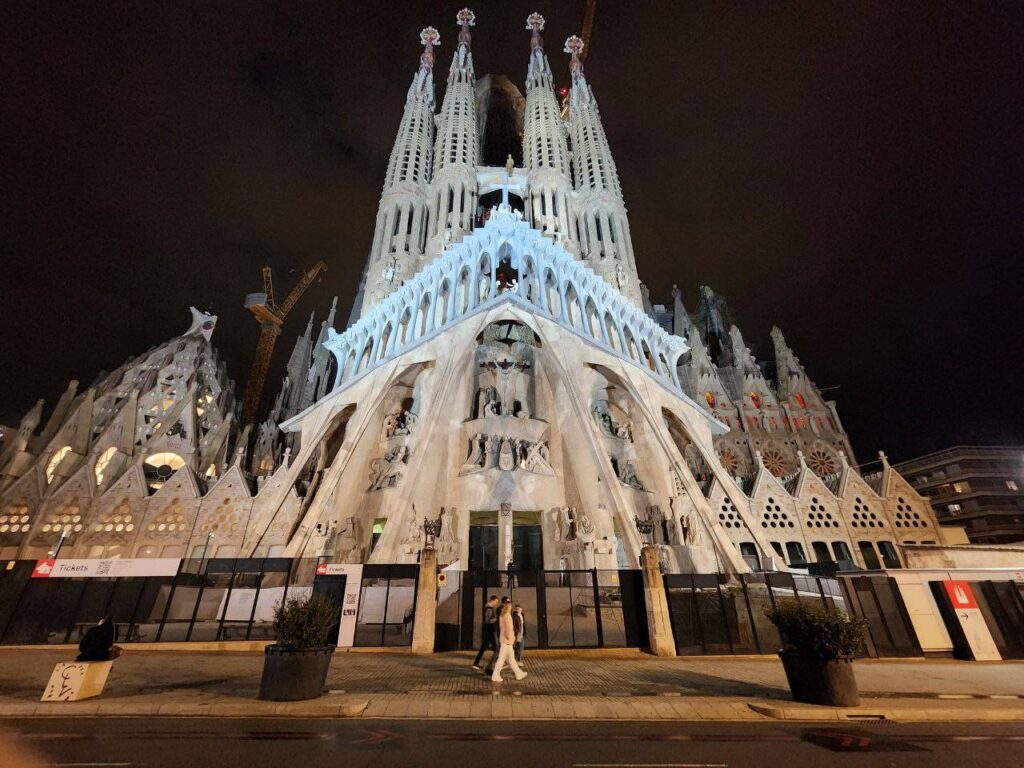
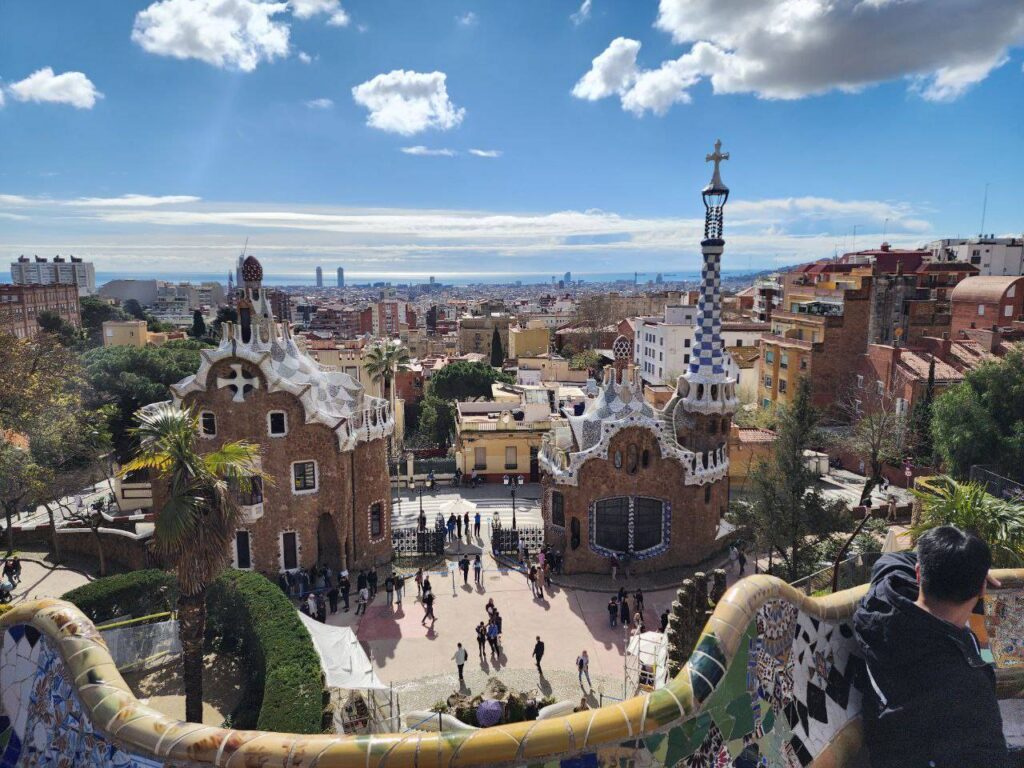
Antoni Gaudí’s architectural genius is impossible to ignore. His masterpiece, the Sagrada Familia—still under construction more than a century after it began—left me in awe of what human creativity can achieve. The organic forms of Park Güell, Casa Batlló, and Casa Milà similarly showcase his unique vision. I also spent time with Pablo Picasso’s works, tracing the evolution of one of the 20th century’s most influential artists.
What intrigues me most about these masters is how their dedication to craft transcends time. Their work reminds me of an essential principle of mastery: true excellence comes from loving the process and pursuing greatness for its own sake. This authenticity of purpose speaks through their masterpieces.
This journey has been equally remarkable for its gastronomic adventures. Thank you to everyone who sent restaurant recommendations—they were spot on. Spanish cuisine impressed me with its creativity; each dish presents its own distinctive twist and blend of flavors that reflects both tradition and innovation.
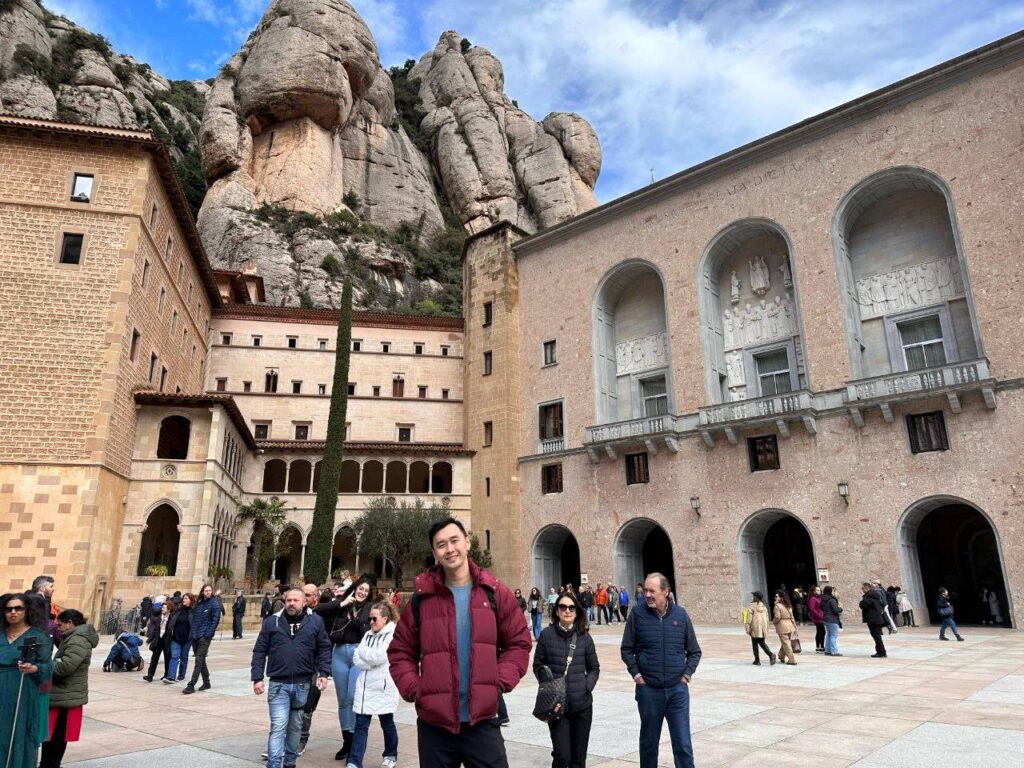
If I had to choose a highlight, it would be hiking at Montserrat. The spectacular views, combined with the place’s rich history, created an experience that was both physically invigorating and spiritually calming.
Before diving into this week’s investment insights, I’ll share some photos below.
Thomas
P.S. In this coming week, I’m going to send an update on Lululemon to Steady Compounding Insider Stocks members.

I. What kind of disruption by Benedict Evans
Despite how casually we use terms like “disruption,” not all market transformations follow the same pattern or impact incumbents equally. Take Uber and Airbnb as perfect examples—both used software to redefine markets rather than just selling software to existing players, but their actual effect on taxis versus hotels has been dramatically different.
While Uber has fundamentally transformed what we mean by “taxi,” Airbnb has supplemented rather than replaced the hotel industry. Why? Different regulatory environments, supply dynamics (people with cars versus people with spare rooms), and use cases (business travel remains hotel-centric mainly). This distinction matters tremendously when evaluating potential investments in disruptive companies or analyzing how new technologies might impact established markets.
The key insight: When someone shouts “disruption!” or “AI!” in an investment thesis, always probe deeper – what kind of disruption are we discussing? Will it transform the entire market or create a parallel offering? Will it replace incumbents or merely force them to adapt?
>> Click here to read What kind of disruption by Benedict Evans
II. American Technology Companies On AI (2024 Q4) by The Good Investors
This comprehensive collection of statements from major tech companies’ Q4 2024 earnings calls reveals fascinating patterns in how these organizations are approaching AI integration. What struck me most was the clear divide between companies taking different strategic approaches.
Some companies like Adobe and MongoDB are focused on embedding AI capabilities directly into existing products while maintaining their core business model. Others like Tencent and Meituan are making massive infrastructure investments (with Tencent’s Q4 capex increasing 3x year-over-year to $10.7 billion) to build proprietary foundation models. Sea Limited adopts a more practical approach – using AI to reduce customer service costs by 30% while improving satisfaction scores, demonstrating how AI can simultaneously cut costs and improve outcomes.
It’s interesting to see how companies are integrating AI into their ecosystem to boost productivity or widen their competitive advantages.
>> Click here to read American Technology Companies On AI (2024 Q4) by The Good Investors
III. Lessons From Nick Sleep of Nomad Investment Partnership
Nick Sleep’s Nomad Investment Partnership delivered an extraordinary 921.1% return over 13 years (versus 116.9% for the MSCI World Index) by concentrating in just three stocks: Amazon, Costco, and Berkshire Hathaway. While his portfolio included these three companies, his concept of “scaled economics shared” specifically applied to Amazon and Costco – a powerful insight that identified businesses with unique competitive advantages.
This concept describes companies that deliberately pass their scale-driven cost advantages directly to customers through lower prices. Amazon and Costco exemplify this approach – as they grow larger, they reduce costs and share those savings with customers through consistently lower prices, attracting more customers and further increasing scale. As Jeff Bezos illustrated in his famous napkin sketch, this virtuous cycle turns size from an anchor into an asset for growth, enabling Amazon to reach a point where its operating costs plus margins were so efficient that competitors couldn’t match their prices even at breakeven.
Sleep’s portfolio also included Berkshire Hathaway, though for different reasons than “scaled economics shared.” His investment philosophy centered on finding businesses run by what he called “super high quality thinkers” – management with intellectual honesty who allocate capital with discipline over many years.
>> Click here to read Lessons From Nick Sleep of Nomad Investment Partnership
That’s all I have for you today!
Till next week.