


Stomach Volatility or Accept Mediocre Returns
The most eye-opening research in this week’s 3-Bullet Sunday comes from Michael Mauboussin’s study on drawdowns and recoveries—and it should fundamentally change how you think about investing.
Here’s the reality: the median stock experiences an 85% drawdown that lasts over two years. Even more striking, research shows that a theoretically perfect portfolio—one constructed with godlike foresight of future winners—would still suffer drawdowns exceeding 50%.
Charlie Munger captured this truth perfectly: if you can’t handle 50% declines, you deserve mediocre results. He understood that market fluctuations aren’t bugs in the system—they’re features. The investors who panic during inevitable downturns will consistently underperform those who maintain their composure.
But here’s the crucial caveat: this assumes you’ve chosen quality businesses trading at reasonable prices. The ability to stomach volatility only pays off when you’re right about the underlying value and the market has temporarily overreacted.
This is what makes investing both brutally challenging and intellectually rewarding. Success requires the rare combination of analytical rigor in selection and emotional fortitude in execution.
This week’s 3-Bullet Sunday explores this theme further with insights on AI investing, decision-making frameworks, and Mauboussin’s complete research.
Compound steadily,
Thomas
I. AI Eats the World by Benedict Evans
Some great insights from this presentation by Benedict Evans on AI. Some of my notes:
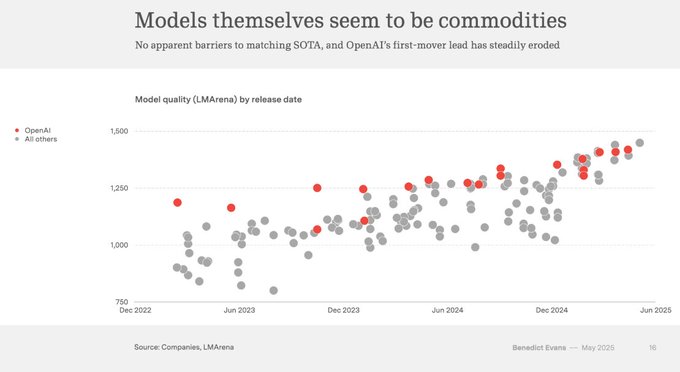
1. Models itself seem to be a commodity. Consumer brand itself, less so.
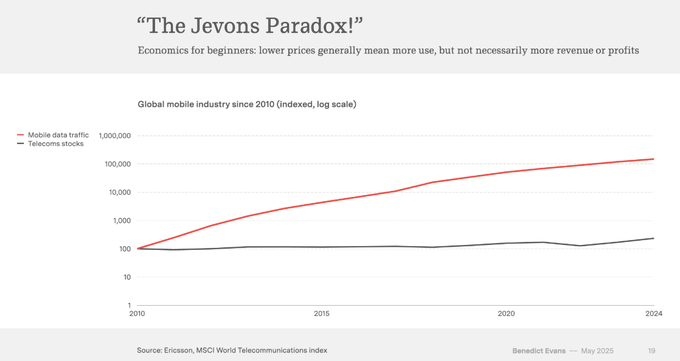
2. Crucially, creating value doesn’t always mean capturing it. Sometimes, consumers enjoy the benefits, not shareholders.
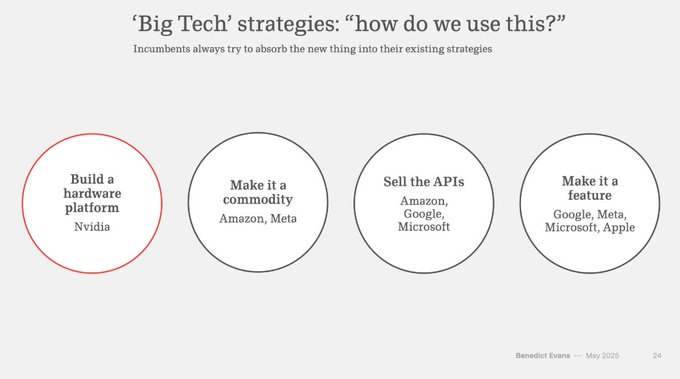
3. AI business models by Big Tech:
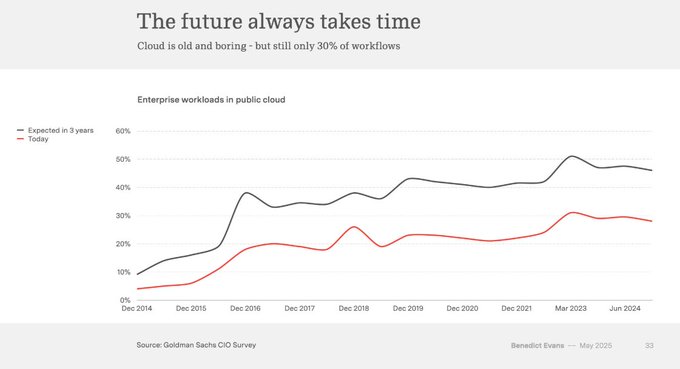
4. Cloud runway remains long:
>> Click here to read AI Eats the World by Benedict Evans
II. The Capital Cycle Way by Hosking Partners
This is Buffett inspired framework and Hosking Partners presented a six-tenet investment approach centered around the “10-year question” – being virtually certain a business will have materially higher earnings 5-20 years from now.
Key Tenets:
- Focus on Supply Over Demand – Supply dynamics are more predictable than demand forecasts; industry consolidation cycles create long-term opportunities
- Ignore the Earnings Game – Long-term return on capital matters more than quarterly beats/misses
- Find the .400 Hitters – Exceptional management teams who allocate capital counter-cyclically
- Remember Replacement Value – Buy assets below replication cost
- Allocate Dynamically – Use concentrated positions, tail positions, and baskets strategically
- Pursue Behavioral Edge – Be contrarian when cycles provide intellectual backing
>> Click here to read The Capital Cycle Way by Hosking Partners
III. Drawdowns and Recoveries by Michael Mauboussin
This Morgan Stanley research delivers a sobering lesson every long-term investor needs to understand. The median stock from 1985-2024 fell 85% from peak to trough, and more than half never recovered to their previous highs.
Charlie Munger captured this reality perfectly: if you can’t handle 50% declines “2 or 3 times a century, you deserve the mediocre results you’re going to get.”
Here’s the most striking finding: even with perfect foresight to select the best-performing stocks over the next five years, your portfolio would still endure a 76% drawdown. This reveals how painful the journey can be, even when you know the ultimate destination.
The study examines two fascinating cases of 90% crashes. NVIDIA plummeted during the dot-com bust but emerged as the S&P 500’s top performer over the following 20 years. Foot Locker also dropped 90% but was recently acquired for just 30% of its peak value.
The critical difference: NVIDIA faced a cyclical semiconductor downturn while Foot Locker confronted the secular decline of traditional retail. Context determines everything.
The research provides a framework for distinguishing temporary setbacks from permanent impairments—evaluating whether issues are cyclical versus secular, assessing business model viability, and examining financial strength.
Success belongs to those who can maintain conviction through inevitable darkness while correctly identifying which companies will emerge stronger.
>> Click here to read Drawdowns and Recovers by Michael Mauboussin
That’s all I have for you today!
Till next week.