


Thank you (and a confession)
When Harriman House reached out in 2022, I’d been writing online for just over two years.
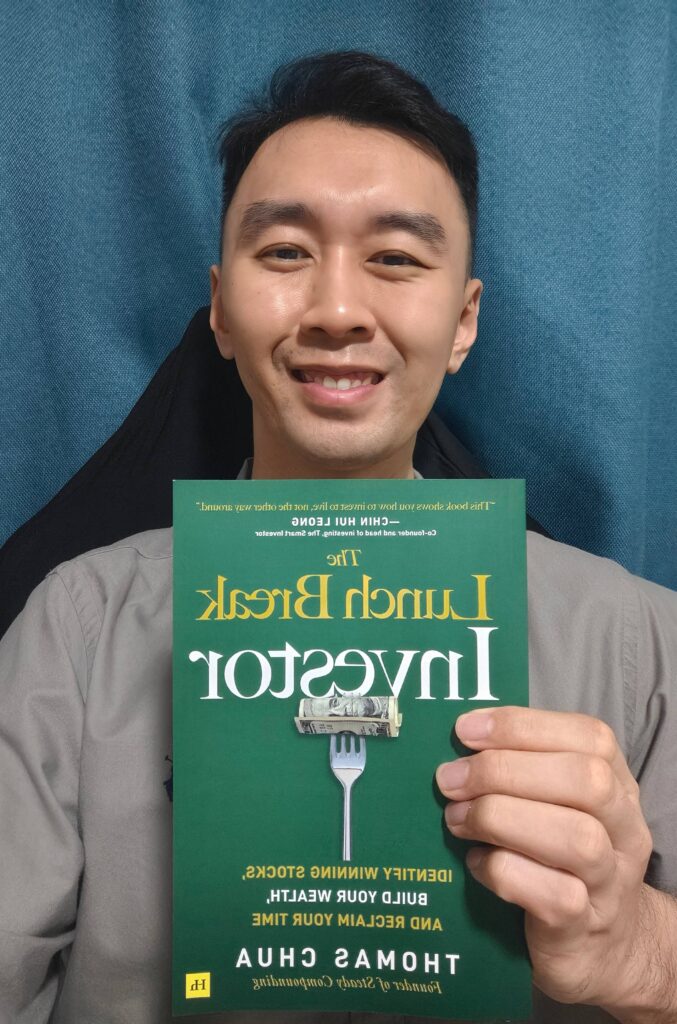
The book comes out in two days. If you’re doing the math, that’s almost three years of writing (the publishing cycle itself takes a year).
I wrote, scrapped it, and rewrote it. Every word had to fight for its life. It had to flow. It had to earn its place with real case studies, so anyone picking it up can be empowered to analyze a business on their own.
(And if I’m being honest, the first three months were mostly procrastination. Imposter syndrome hit me like a ton of bricks.)
No more investing blind. No more waiting for someone else to tell you what earnings mean or why the stock moved.
But I didn’t write this email to just talk about the book… None of it happens without YOU.
Some of you found me on X. Some at in-person talks. Others through Channel NewsAsia, MoneyFM, LinkedIn, or Instagram. However you got here, you kept opening these emails.
That’s why a publisher came knocking in the first place.
Thank you.
→ Pre-order here: steadycompounding.com/book
Compound Steadily,
Thomas
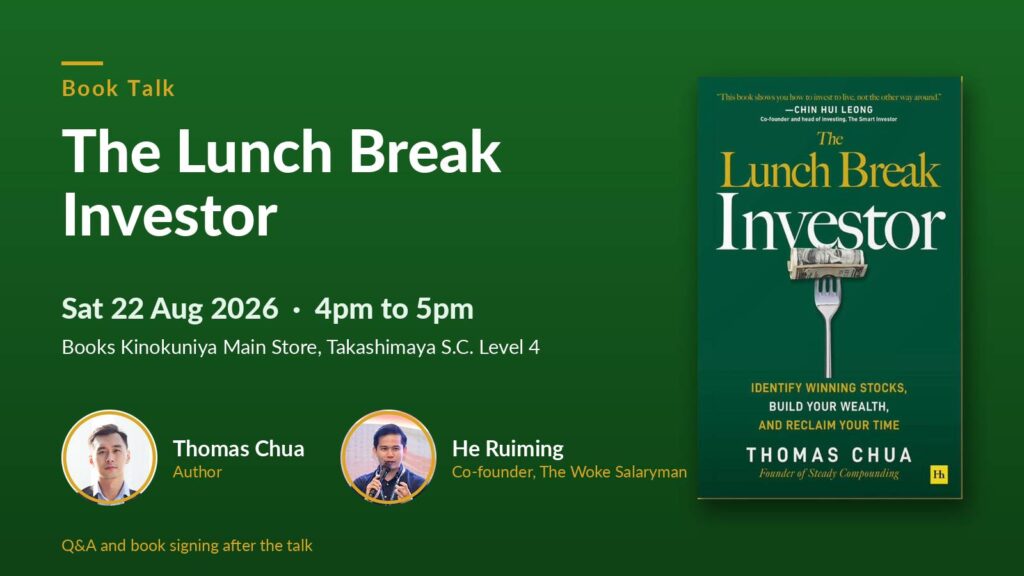
P.S. If you’re in Singapore, I’m doing a book talk at Kinokuniya (Takashimaya, Level 4) on Saturday 22 Aug, 4pm to 5pm. Come say hi. You can bring your pre-ordered copy, whether it’s from Kinokuniya or other bookstores, and I’ll sign it.
I. The AI Capex Illusion (I’m the Guest This Week)
I went on The Investing for Beginners Podcast, and the episode is out now: 52 minutes on the AI buildout and what the market is reacting to when it rewards one company’s spending and punishes another’s.
I won’t spoil the conversation, but a few of the things we got into: a footnote in Alphabet’s filings that says more about AI demand than the capex guidance does, how unfinished data centers flatter margins for now, and why the newer AI-only cloud companies carry a different kind of risk from Microsoft and Amazon. The back half leaves AI behind. We talked about Nike’s distribution stumble, writing down your thesis before you buy so you have something to check against when the stock falls 40%, and how to invest well around a day job.
Click here to listen on Apple Podcasts or on Spotify.
II. Three Decades of Mauboussin in One Place
Michael Mauboussin’s entire body of writing, 317 pieces going back to 1995, is now indexed on one page. Research reports, talks, podcasts, interviews, each linked to the original and searchable by title and year. 181 of them are research reports alone.
It’s a great resource if there’s a particular topic you want to think deeper about. Some starting points I’d pick: base rates (how often companies really grow as fast as you’re hoping), measuring the moat, skill versus luck, capital allocation, ROIC, and what a P/E multiple actually means. Longtime readers will recognize a couple of these, since his competitive advantage period and wisdom of crowds reports have featured here before.
Click here to browse the archive
III. Nineteen Tech Management Teams on AI, in Their Own Words
Two posts this quarter instead of one, because there were too many AI quotes from the 2026 Q2 earnings calls to fit. Ser Jing has been collating these since many quarters back, pulling the AI commentary out of calls from the technology companies he follows, nineteen of them this time.
The capex guidance moved again almost everywhere. Alphabet is now at $195 billion to $205 billion for 2026, up from $180 billion to $190 billion, with 2027 expected to be significantly higher. Amazon went to roughly $220 billion from $200 billion and pointed at memory prices as the reason. TSMC raised its 2026 budget from $52 billion to $56 billion up to $60 billion to $64 billion, and said on the call it will keep going up. Apple has raised iPad and Mac prices in response to what management called “a 100-year flood on the memory pricing.”
The companies that aren’t building the infrastructure reported cost savings instead. Airbnb’s customer support cost per booking fell about 16% year on year, with its AI assistant resolving nearly 45% of issues without a human. MercadoLibre runs 7,000 customer service reps against 10,000 four years ago on a business three times the size, and management said 2026 is probably the first year in a long while it isn’t growing its engineering team. Most AI productivity claims stop at engineers shipping faster, so that headcount number is the one I’d want to check again in a year.
These run long, so skim for the companies you own.
Click here to read part one and click here for part two.
That’s all I have for you today!
Till next week.